Are you ready to elevate your fabric projects to new heights? Proper fabric tension might be the missing piece in your crafting puzzle. Understanding how to achieve drum-tight tension can transform your work, leading to stunning results!
What You Will Learn
Drum-tight tension is essential: It prevents fabric distortion, leading to cleaner and more durable stitches.
Common tension issues: Learn about loose stitching, puckering, and thread breakage to troubleshoot your fabric work effectively.
Impact of thread count: Higher thread counts can enhance stability, making it easier to achieve the desired tension.
Yarn and fabric compatibility: Choosing the right yarn weight and fiber types is crucial for achieving optimal tension and results.
Key Factors for Drum-Tight Tension in Fabric Projects
Achieving drum-tight tension is vital for quality fabric projects. The following highlights the core elements and common issues to watch out for. For beginners looking to start their journey, a rug tufting kit for beginners can provide all the necessary tools to practice these techniques.
What is Drum-Tight Tension?
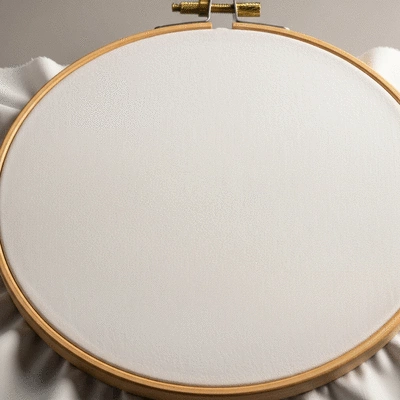
Drum-tight tension involves stretching fabric tautly for stitching, crucial for preventing distortion and ensuring clean, uniform stitches. It enhances durability and the overall quality of tufting and embroidery projects.
Why It Matters
Prevents Fabric Distortion
Improves Stitch Quality
Enhances Durability
Common Issues
Loose Stitching
Puckering
Thread Breakage (due to overtight tension)
The Role of Thread Count
Fabric thread count greatly influences tension. Higher counts offer stability, while lower counts may need stabilizers. Pairing the right thread count with yarn is key for optimal results.
Understanding Drum-Tight Tension in Fabric Projects
When diving into fabric projects, especially in tufting and embroidery, understanding drum-tight tension is crucial. This technique ensures that your fabric is taut and ready for intricate work. A drum-tight setup not only makes stitching easier but also contributes to the overall quality and durability of your project. So, why does this matter? Let’s explore!
What is Drum-Tight Tension and Why Does It Matter?
Drum-tight tension refers to the tightness of the fabric as it is hooped or stretched for stitching. This tension is vital for preventing puckering and ensuring clean, even stitches. Without it, your work can easily become distorted, leading to frustrating results. Trust me, I’ve seen firsthand how a few adjustments can unleash the full potential of your designs!
Prevents Fabric Distortion: A tight setup keeps the fabric flat and stable.
Improves Stitch Quality: Consistent tension leads to uniform stitches.
Enhances Durability: Proper tension reduces the risk of fabric wear and tear.
In my experience with tufting, achieving drum-tight tension has always yielded the best results, allowing for beautifully crafted rugs that stand the test of time!
Common Issues with Fabric Tension in Embroidery
Many newcomers face challenges when it comes to fabric tension. Some common issues include loose stitching, puckering, and even thread breakage. I remember when I first started tufting—it felt like a constant battle against these pesky problems! Understanding these pitfalls can save you a lot of time and frustration. Additionally, mastering tufting speed and pressure tips can further help in mitigating these issues.
Loose Stitching: Often a result of insufficient tension.
Puckering: Can occur when the fabric shifts under the needle.
Thread Breakage: Tension that’s too tight can cause this issue.
By being aware of these common pitfalls, you can take proactive steps to avoid them. That way, you can focus on what really matters—creating beautiful, handcrafted projects that showcase your unique style!
The Role of Thread Count in Achieving Drum-Tight Tension
The thread count of your fabric significantly impacts how you achieve drum-tight tension. Higher thread counts typically offer more stability, allowing your fabric to hold its shape better during the stitching process. I always recommend checking the specifications of your fabric to see how it will behave under tension.
High Thread Count Fabrics: Provide extra stability and durability.
Lower Thread Count Fabrics: May require additional support, like stabilizers.
Balanced Choice: Select a fabric that complements your yarn choice for optimal results.
In my tufting projects, I’ve learned that pairing the right thread count with quality yarn makes all the difference. It not only enhances the ease of your stitching but also elevates the final product!
Pro Tip
To achieve drum-tight tension, always pre-stretch your fabric before hooping. This not only enhances the fabric's stability but also helps maintain the desired tension throughout your stitching process. Additionally, consider using a fabric stabilizer for extra support, especially with lower thread count fabrics!
Frequently Asked Questions About Fabric Tension
What is drum-tight tension?
Drum-tight tension refers to stretching your fabric tautly and evenly, similar to a drumhead, before stitching. This prevents distortion and ensures clean, uniform stitches in your projects.
Why is drum-tight tension important for fabric projects?
It's crucial because it prevents fabric distortion, improves the quality and consistency of your stitches, and enhances the overall durability of your finished piece. Without it, you risk puckering and uneven results.
What are common issues that arise from improper fabric tension?
Common issues include loose stitching, puckering of the fabric, and thread breakage (if the tension is too tight). Understanding these can help you troubleshoot and improve your technique.
How does thread count affect drum-tight tension?
Higher thread count fabrics generally provide more stability and hold tension better, making it easier to achieve a drum-tight setup. Lower thread count fabrics might require additional stabilizers to maintain proper tension.
What role do yarn and fabric selection play in achieving optimal tension?
Choosing the right yarn weight and fiber type that is compatible with your fabric is essential. This compatibility ensures that the fabric can support the yarn without distorting, contributing to optimal tension and a better final product.
Summarizing Key Takeaways for Perfecting Fabric Tension
As we wrap up our exploration of fabric tension, it's essential to remember that achieving the perfect balance of yarn and fabric is crucial for your success in any project. From the right yarn selection to understanding how different fabrics interact, these insights will enhance your crafting experience!
Before diving into your next creation, consider these key takeaways:
Choose the right yarn weight for your desired tension.
Fiber types matter—select natural or synthetic fibers based on your project needs.
Utilize stabilizers and appropriate backing fabrics to support your designs.
Final Thoughts on Yarn and Fabric Selection
When it comes to yarn and fabric selection, the journey is just as important as the destination! Whether you’re using cotton twill or monk’s cloth, each choice plays a significant role in your project’s outcome. I often remind myself to experiment and not shy away from trying new combinations—sometimes, the best results come from unexpected pairings!
In my experience at Tufting Kit Pro, I’ve seen firsthand how the right choices can elevate a project from ordinary to extraordinary. Remember, every fabric and yarn has a story. Embrace the learning process and enjoy the creative adventure that lies ahead!
Engaging with the Craft Community: Sharing Your Experiences
Don’t forget the power of community in your crafting journey! Engaging with fellow crafters can provide a wealth of insights, support, and inspiration. Have you encountered challenges or discovered effective techniques in managing fabric tension? I’d love to hear your stories! To ensure you have all the necessary items, make sure to check out finding quality tufting gun supplies.
Consider sharing your experiences in forums or social media groups dedicated to crafting. By connecting with others, you can gather valuable advice, troubleshoot common issues, and celebrate successes together. Plus, it’s a great way to build lasting friendships within the crafting community!
Next Steps for Your Fabric Project Journey
Experimenting with Different Combinations and Techniques
Now that you have a solid understanding of fabric tension, it’s time to put your knowledge into action! Start experimenting with various yarns and fabrics. You might find unique combinations that inspire your next big project! Here are a few suggestions to get you started:
Try mixing cotton and wool yarns for warmth and texture.
Explore different weights of yarn to see how they affect tension.
Test multiple backing fabrics to discover what best suits your style.
Each experiment is a step toward mastering your craft! Remember, the more you try, the more confident you will become in your abilities.
Resources for Further Learning and Expert Guidance
As you continue your tufting journey, consider seeking out additional resources. Whether it’s online tutorials, blogs, or workshops, there are numerous avenues to expand your skills. At Tufting Kit Pro, I regularly share tips and tricks through detailed tutorials to help beginners like you navigate the world of rug making!
Don’t hesitate to dive deeper into specific topics that intrigue you—there’s always something new to learn in crafting!
Utilizing Online Communities for Yarn and Fabric Insights
Lastly, take advantage of online communities tailored for yarn enthusiasts and fabric lovers. Engage in discussions, ask questions, and share your projects! These platforms are fantastic for gaining insights from seasoned crafters and can help you troubleshoot any issues you might face.
Whether it’s through social media or dedicated crafting forums, the connections you make can provide valuable knowledge and encouragement. Let’s support each other and foster a vibrant crafting community where creativity thrives!
Recap of Key Points
Here is a quick recap of the important points discussed in the article:
Drum-tight tension: Essential for preventing fabric distortion, improving stitch quality, and enhancing durability.
Common issues: Be aware of loose stitching, puckering, and thread breakage to enhance your crafting experience.
Thread count matters: Higher thread counts provide stability; choose the right fabric to complement your yarn.
Yarn and fabric selection: Match yarn weight and fiber types to your project needs for optimal results.
Engage with the community: Sharing experiences with fellow crafters can provide insights and support.
I'm Cassandra Flint, a **passionate DIY enthusiast** and *tufting expert* dedicated to helping you dive into the world of rug making. I share detailed tutorials, honest product reviews, and *curated recommendations* to help you **confidently create stunning home decor**. My goal is to empower you with the knowledge and tools you need to _transform yarn into art_ and **avoid common pitfalls**.
Beginner's Guide to Rug Tufting — Amazon Affiliate Banner