
BESGEER Starter Kit + Frame
All-in-One Beginner Bundle
By BESGEER
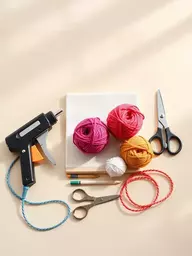
Everything you need: tufting gun, frame, trimmer, 42 yarn rolls, and cloth included.
Frame Included42 Yarn Rolls
Jul 27
If you're venturing into the world of tufting, understanding the right tools to use can make a world of difference. With the right supplies, you can enhance your efficiency and the quality of your projects, transforming your crafting experience from frustrating to enjoyable. Here’s what you should consider before making your purchase.
If you're looking to enhance your tufting experience, understanding who can benefit the most from these tailored tools is key. Whether you're a novice or someone with a flair for detail, the right supplies can make all the difference in your crafting journey. Let’s dive into the specific user types who will gain the most from investing in tufting gun supplies.
Ideal for those just starting their tufting journey, basic supplies like tufting yarn threaders and duckbill scissors minimize setup difficulties and allow you to focus on crafting with ease.
Perfect for artisans who prioritize precision, duckbill scissors provide the control necessary for refining intricate designs, ensuring your creations are flawless and tailored to perfection.
For those who tuft regularly, electric trimmers significantly increase production speed and consistency, making them a worthwhile investment for higher output and quality assurance.
If you're mindful of your spending, starting with affordable yet effective tools like duckbill scissors and yarn threaders allows you to explore tufting without a hefty initial investment.
This comparison table provides a quick overview of the key tufting tools discussed in the review, highlighting their features, advantages, and suitable user demographics.
| Control | High | Low | Medium |
| Speed | Low | High | Medium |
| Precision | ✓ | ✗ | ✓ |
| Ease of Use | Medium | High | ✓ |
| Best For | Detail Tufters | Frequent Tufters | Beginners |
| Value | Moderate | Higher | Lower |
As a DIY enthusiast and tufting expert at Tufting Kit Pro, I've seen firsthand how the right supplies can drastically affect the quality and efficiency of your rug-making process. Many beginners overlook the importance of tools like duckbill scissors, tufting yarn threaders, and electric trimmers. Yet, each plays a crucial role in enhancing speed, detail, and overall rug quality. Let’s explore why investing in these finishing and threading tools is essential for both new and seasoned tufting enthusiasts.
When it comes to achieving a polished look in your tufting projects, the choice between duckbill scissors and electric trimmers can make a significant difference. Duckbill scissors offer fine-line control, allowing for precise trimming around intricate designs, while electric trimmers bring bulk speed for larger rugs or multiple projects. After testing both methods, I found that each has its unique advantages depending on the project's scale.
While some crafters might find themselves using makeshift wire or paper-clip threaders, I can assure you that having dedicated tufting yarn threader packs makes a world of difference. These threaders are designed specifically for the task, providing convenience that can save you time and frustration during setup. My experience has shown that having a few spare threaders on hand is incredibly useful when those small tools inevitably get lost.
Before investing in more advanced tufting accessories, it’s essential to understand what makes these tools practical for your needs. Buyers typically seek ease of use, reliability, and solutions to daily workflow problems. In my hands-on testing, I discovered that the right tools can significantly decrease setup time and enhance the quality of your finishing work.
From my testing experience: Don't underestimate the small investments. While electric trimmers offer speed, the precision of duckbill scissors and the convenience of dedicated yarn threaders can save you more frustration and costly mistakes than you'd expect, especially for intricate designs or when you're just starting out. Prioritize control and ease of setup first!
While DIY wire or paper-clip threaders might seem sufficient, dedicated tufting yarn threaders are specifically designed for the task. They offer a level of convenience and efficiency that significantly reduces frustration and saves time during setup, especially for beginners. Having spare threaders on hand is also very useful.
Duckbill scissors are ideal for projects requiring fine-line control and precision, such as intricate designs, detailed lettering, or narrow shapes. They allow for accurate trimming and help prevent accidental over-trimming. Electric trimmers, on the other hand, are better for achieving bulk speed and consistency on larger rugs or when you need to quickly finish multiple projects.
For beginners, it's recommended to start with basic but effective tools like tufting yarn threaders and duckbill scissors. Threaders minimize setup friction, allowing you to focus on the crafting itself, while duckbill scissors help avoid trimming mistakes. These tools offer essential control and simplicity at a lower upfront cost compared to electric finishing tools, making the learning process more enjoyable.
The "better quality" depends on the type of finish you're aiming for. Electric trimmers provide uniformity and speed across broad surfaces, which is excellent for consistent results in large-scale or batch production. Duckbill scissors, however, offer superior precision for intricate details, ensuring a flawless finish in delicate areas where manual control is paramount. Both contribute to quality but in different contexts.
You can optimize your workflow by using threaders to simplify the initial yarn feeding process, ensuring a hassle-free start. Then, use duckbill scissors for precision cleanup around intricate areas and fine details. Finally, employ electric trimmers for fast, even surface finishing on larger sections of your project. This synergy maximizes both efficiency and the overall quality of your rug-making journey.
For a hobby tufter, the justification for electric trimmers depends on the frequency and scale of your projects. If you tuft regularly, produce larger rugs, or plan to sell your creations, the investment in electric trimmers is worthwhile. They significantly increase production speed and consistency, saving you time and enhancing output quality, which can justify the higher price point. For occasional, highly detailed projects, duckbill scissors might be a more cost-effective initial investment.
After diving deep into the world of tufting tools, I can confidently say that the right supplies can drastically affect your crafting experience. Choosing between duckbill scissors, yarn threaders, and electric trimmers largely depends on your skill level, project size, and personal crafting style. Here’s a breakdown that reflects the insights I’ve gathered from both personal experience and the needs of other rug makers.
If you're just stepping into tufting, starting with basic yet effective tools is key. This is why I recommend:
For first-time tufters, these lower-cost tools provide essential control and simplicity, making the crafting process much more enjoyable.
For those who pride themselves on precision, duckbill scissors are the top choice. Here’s why:
When the design complexity increases, hand control truly outweighs the benefits of speed from electric trimmers.
If you’re regularly tufting or selling your creations, investing in electric trimmers becomes invaluable:
For those making multiple pieces, the speed and consistency provided by electric trimmers justify the higher price point.
To truly optimize your tufting process, consider how these tools can work in harmony:
By integrating these tools into your workflow, you can maximize efficiency and quality in your rug-making journey.
In my experience as a tufting expert, understanding your crafting style and the typical projects you undertake is vital when choosing the right tools. Embrace your creativity and don’t hesitate to invest in the tools that best align with your goals. Happy tufting!
All-in-One Beginner Bundle
By BESGEER
Everything you need: tufting gun, frame, trimmer, 42 yarn rolls, and cloth included.
Complete Rug Making Duo
By BESGEER
2-in-1 tufting gun bundled with carpet carving clippers for a professional finish.
I'm Cassandra Flint, a **passionate DIY enthusiast** and *tufting expert* dedicated to helping you dive into the world of rug making. I share detailed tutorials, honest product reviews, and *curated recommendations* to help you **confidently create stunning home decor**. My goal is to empower you with the knowledge and tools you need to _transform yarn into art_ and **avoid common pitfalls**.
Complete guide to getting started with tufting
By Cole Elizabeth
A compact launchpad for tools, materials, setup, and simple designs.