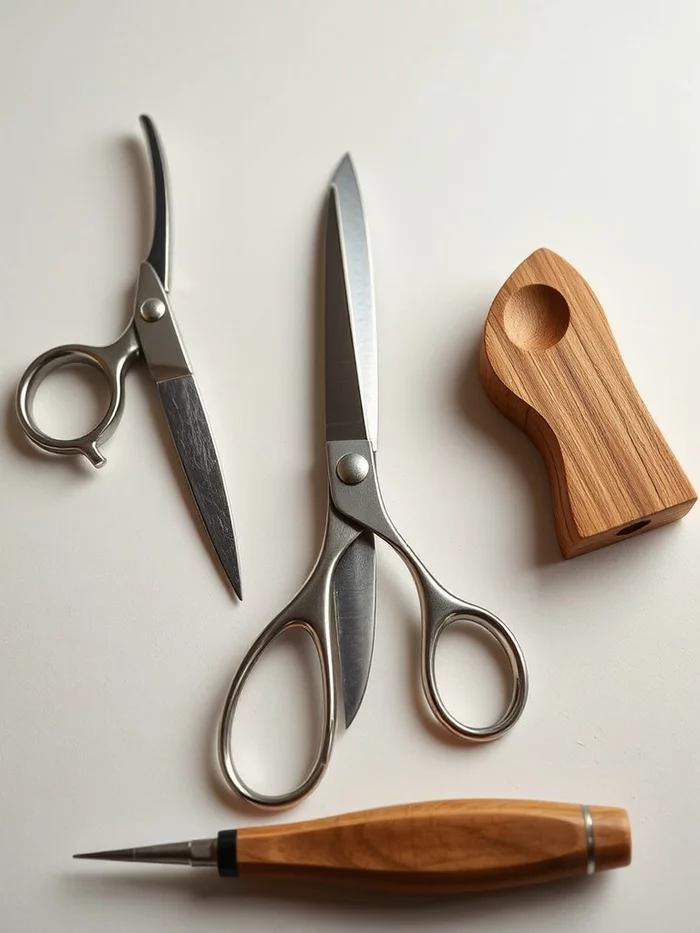

Fabric Edge Methods
- ✓ Serging
- ✓ Zigzag Stitching
- ✓ French Seams
- ✓ Bias Binding
Jun 23
In the realm of crafting, the finishing touches can transform your work from ordinary to extraordinary. Clean edges aren’t just about looks; they signify durability and professionalism. Ready to elevate your DIY projects? Let’s explore the essential techniques for achieving that polished finish!
Achieving a professional finish in your crafting projects involves mastering specific techniques across different mediums. This overview highlights essential methods for fabric, leather, and general trimming, ensuring durability and aesthetic appeal. For those just starting, understanding tufting kit basics can provide a strong foundation before delving into intricate finishing.
When it comes to creating beautiful, handmade rugs or garments, the finishing touches can make all the difference! Well-defined edges not only enhance the aesthetic appeal but also ensure the durability of your projects. As an avid DIY enthusiast, I’ve learned that taking the time to perfect your edges can elevate your work from amateur to professional. Let's dive into why clean edges are essential and how you can achieve them.
Clean edges are crucial across various crafting mediums. They contribute to the overall professional look of your project, whether it be a rug, garment, or leather piece. Well-finished edges can prevent fraying and damage, ensuring that your hard work lasts for years to come.
As you embark on your tufting journey with Tufting Kit Pro, remember that the details matter. Each step in the finishing process can significantly impact your final product!
To achieve the best results in your crafting projects, it's essential to have a structured approach to trimming and sculpting. I like to categorize these techniques based on the medium and method being used. Here's a quick framework to get you started:
By having a clear understanding of the tools and techniques associated with each medium, you’ll set yourself up for success. It's all about building a solid foundation before diving into your projects, much like learning about tufting gun kits for beginners to ensure you have the right equipment from the start!
Fabric edge finishing is a key element in achieving that polished look we all strive for. Whether you’re making a custom rug or sewing a garment, mastering these techniques will give your projects a professional edge!
There are several effective methods for finishing fabric edges. Let’s explore a few popular techniques:
Each technique has its benefits, and the choice often depends on your project's needs. I recommend practicing these methods on small fabric swatches before applying them to your primary project!
Now that you’re familiar with the various edge methods, let's look at how to achieve professional garment finishes through a few simple steps:
These steps not only improve the look of your garments but also enhance their longevity. As you gain confidence in your skills, don’t forget to experiment and find what works best for you!
As you embark on your journey to perfect your edge finishing techniques, we want to know: Which edge finishing method are you most excited to try? Share your thoughts below!
As we wrap up this guide on edge finishing, it’s important to recap the essential techniques we've covered. Each technique plays a vital role in achieving that polished, professional look across various mediums. From mastering the art of trimming and sculpting to understanding the nuances of different materials, your skills will shine through in every project!
Here's a quick summary of the key techniques for a professional finish:
Remember, practice is key! Each time you refine your skills, you inch closer to achieving those perfect edges.
Now that you’ve been equipped with all these tips and techniques, I encourage you to get hands-on! The journey of trimming and sculpting is filled with opportunities for skill development. Don’t hesitate to experiment with different methods and materials.
Consider setting aside some time each week to practice what you’ve learned. Here are a few ways to enhance your skills:
By consistently practicing, you’ll not only improve your techniques but also build confidence in your abilities. Every creation brings you one step closer to becoming a tufting artist!
So, what comes next? It’s time to put your newfound knowledge into action! Here are some actionable steps to help you start perfecting your edge finishing techniques:
Remember, every expert was once a beginner. Embrace each step of the journey, and don’t be afraid to share your experiences with the Tufting Kit Pro community. Together, we can support each other in achieving those perfect edges! Happy crafting!
Here is a quick recap of the important points discussed in the article:
Digital Speed Control Display
By zowwfast
Non-slip grip with digital screen for precise speed control and safer tufting.
Pro Rug Making with LED Light
By Cozytuft
120W brushless motor with adjustable speed for smooth, quiet rug creation.
I'm Cassandra Flint, a **passionate DIY enthusiast** and *tufting expert* dedicated to helping you dive into the world of rug making. I share detailed tutorials, honest product reviews, and *curated recommendations* to help you **confidently create stunning home decor**. My goal is to empower you with the knowledge and tools you need to _transform yarn into art_ and **avoid common pitfalls**.
Make rugs, wall hangings, and décor with a tufting gun
By Kristen Girard
A practical starter guide for tools, setup, troubleshooting, and projects.