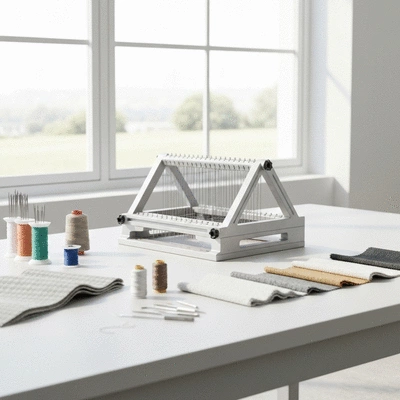
Tufting Frames: DIY or Store-Bought?

Tufting Frames: DIY or Store-Bought?
Tufting Kits

Tufting Frames: DIY or Store-Bought?

As you embark on your tufting journey, the choice between a DIY frame and a store-bought one can feel overwhelming. Consider your crafting goals, budget, and the joy of creating something uniquely yours!

What You Will Learn

  • The Importance of Tufting Frames: A solid frame is essential for achieving clean, professional results in tufting.
  • Pros and Cons of DIY vs. Store-Bought: Understand the benefits of each option based on budget, space, and time considerations.
  • Cost Breakdown: Learn the typical expenses for DIY materials and what to expect from store-bought frames.
  • Maintenance Tips: Discover essential practices to prolong the life of your tufting frame, ensuring it serves you well for many projects.
  • Utilizing User Feedback: Gain insights on how to effectively use community reviews to make informed decisions about your frame choice.

Tufting Frame Investment Overview

A comparison of the financial commitment and typical components for DIY versus store-bought tufting frames.

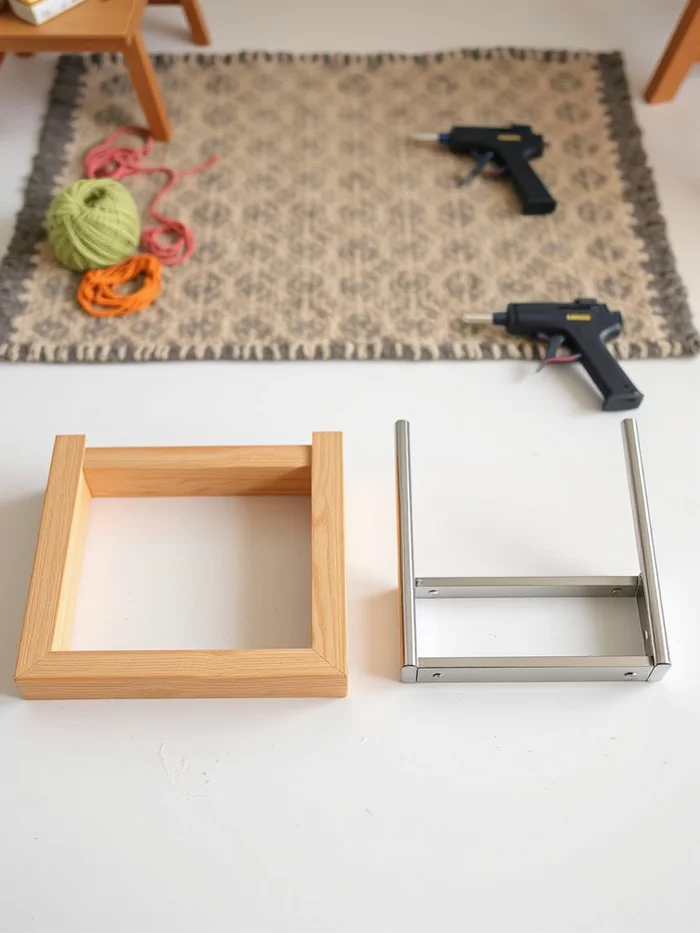
Tufting frame comparison between DIY and store-bought options

DIY Tufting Frame: Cost & Components

Cost Range

$85 - $185

Time Investment

Significant

  • Wooden planks: $20-$50
  • Screws and nails: $5-$15
  • Carpet tack strips: $10-$20
  • Tools (if needed): $50-$100

Store-Bought Tufting Frame: Price & Factors

Price Range

$100 - $300

Time Investment

Minimal

  • Frame size: Larger costs more
  • Material quality: High-grade increases price
  • Adjustability: Premium feature
  • Additional features: Could add to cost

A Comprehensive Overview of Tufting Frames: DIY vs. Store-Bought

As a fellow tufting enthusiast, I understand that choosing the right tufting frame is a critical step in your rug-making journey. Tufting frames are the backbone of the tufting process, providing the necessary support and stability for your fabric while you work your magic. Traditionally, these frames have been made from sturdy materials like wood, ensuring they can withstand the pressure of tufting without bending or breaking. They can be simple rectangular structures that hold your backing fabric taut, or more complex designs tailored to specific tufting techniques.

Without a solid frame, even the most beautiful yarns and intricate designs can lead to frustration. That's why understanding the importance of tufting frames is essential for any DIY crafter looking to create stunning rugs!

Understanding Tufting Frames and Their Importance

So, what exactly makes tufting frames so essential? First off, they keep your fabric stretched tight, which is crucial for getting a clean and professional finish. When the fabric is loose, it can lead to uneven tufting and unwanted puckering. Additionally, a good frame helps you maintain the correct angle while working, which can significantly reduce the strain on your hands and back.

  • Stability: A well-built frame prevents wobbling, allowing you to focus on your design.
  • Versatility: Many frames can adjust to fit different sizes and types of fabric.
  • Durability: Quality materials mean your frame will last through many projects.

With that being said, it’s crucial to choose a frame that fits your crafting style and needs.

Identifying Your Needs: Why Choose Between DIY and Store-Bought?

Now, you might be wondering whether to go for a DIY tufting frame or invest in a store-bought one. There are several factors to consider, such as your budget, the space you have available, and your crafting goals. A DIY frame can be a rewarding project, especially if you enjoy hands-on work and have the tools at your disposal. On the other hand, store-bought options can save you time and come with additional features that might not be easy to replicate at home.

  • Budget: DIY frames can be more cost-effective if you already have some materials or tools.
  • Space: Consider how much room you have for building or storing a frame.
  • Time: If you’re eager to start tufting right away, a store-bought frame may be the way to go.

Ultimately, the choice between DIY and store-bought comes down to your personal preferences and project needs. Both options can lead to beautiful results, and I’m excited to help you on whichever path you choose!

Cost Comparison: DIY vs. Store-Bought Tufting Frames

Breaking Down the Costs: What to Expect When Building Your Own

Let’s dive into the numbers! Building your own tufting frame can be a fantastic way to save money, but it’s essential to understand what you’ll need. Here’s a quick breakdown of the typical materials and associated costs:

  • Wooden planks: $20-$50 depending on size and type
  • Screws and nails: $5-$15
  • Carpet tack strips: $10-$20
  • Tools (if you don’t own them already): $50-$100

In total, you might spend around $85 to $185 for a DIY frame, depending on what you already have at home. If you enjoy the process of creating something from scratch, this could be a fulfilling project!

The True Price of Store-Bought Tufting Frames

Now, if you prefer the ease of purchasing a ready-made frame, store-bought options usually range from $100 to $300. The price often reflects the quality of materials and additional features. Here are some factors that affect the cost:

  • Frame size: Larger frames generally cost more.
  • Material quality: Sturdier frames made from high-grade materials will last longer.
  • Adjustability: Frames that can be modified for different projects may carry a premium price.

When considering store-bought options, it’s vital to weigh these features against your crafting goals. A reliable frame can make all the difference in your tufting journey!

Pro Tip

When deciding on your tufting frame, consider adding adjustable features. This can enhance the versatility of your frame, allowing it to accommodate different project sizes and techniques. An adjustable frame can save you money in the long run by adapting to various crafting needs!

Frequently Asked Questions About Tufting Frames

1. Why is a tufting frame essential for rug making?
A tufting frame provides critical support and stability for your fabric, keeping it stretched tight. This prevents uneven tufting, puckering, and helps achieve a clean, professional finish for your rugs.
2. What are the main differences between a DIY and a store-bought tufting frame?
DIY frames typically offer cost savings (if you have tools and materials) and the satisfaction of building something yourself, but require a significant time investment. Store-bought frames save time, often come with additional features, and range from $100-$300, depending on size, material quality, and adjustability.
3. What materials are typically needed to build a DIY tufting frame?
Essential materials for a DIY frame include wooden planks ($20-$50), screws and nails ($5-$15), carpet tack strips ($10-$20), and potentially tools ($50-$100) if you don't already own them.
4. How much should I expect to pay for a store-bought tufting frame?
Store-bought tufting frames generally range from $100 to $300. Factors like frame size, material quality, adjustability, and additional features all influence the final price.
5. What maintenance practices should I follow to prolong the life of my tufting frame?
Regular maintenance includes inspecting the wood for warping, tightening loose tack strips, cleaning your frame to prevent dust buildup, and storing it properly in a dry, cool place to avoid moisture and extreme temperatures.

Maintaining Your Tufting Frame: Tips for Longevity

Just like any other tool, your tufting frame requires a bit of love and care to ensure it lasts through many crafting projects! Regular maintenance can help you avoid common issues, keeping your frame in top condition. Let's explore some essential maintenance practices that apply to both DIY and store-bought frames.

Common Maintenance Practices for DIY and Store-Bought Frames

  • Inspect for Warping: Regularly check the wood for any signs of warping. If you notice any, it might be time to re-tighten the screws or add additional support.
  • Tighten Loose Tack Strips: Over time, the tack strips may loosen. Make it a habit to check them before starting a new project and secure them tightly!
  • Clean Your Frame: Dust and debris can accumulate, so give your frame a quick wipe down with a soft cloth to prevent any buildup.
  • Store Properly: When not in use, store your frame in a dry, cool place to avoid moisture and extreme temperatures that could affect stability.

By implementing these simple practices, you can prolong the life of your tufting frame and ensure it remains a reliable partner on your crafting journey.

Utilizing User Reviews for Better Frame Choices

When it comes to purchasing a tufting frame, don’t forget to tap into the collective wisdom of the crafting community! User reviews can provide invaluable insights into the quality and durability of different frames. Here’s how to make the most of them:

  • Look for Consistent Feedback: Pay attention to comments that frequently mention durability and stability. If multiple users have similar praise or complaints, that’s something to consider.
  • Check Photos: Often, users will share their own photos. This can give you a real-world perspective on how the frame looks and performs.
  • Read Reviews on Specific Features: Focus on aspects like adjustability, ease of assembly, and overall user satisfaction.
  • Engage in Forums: Join tufting forums or crafting groups to ask about specific models—often, you'll get real-time feedback from experienced crafters!

By leveraging user reviews, you can make an informed decision that best suits your tufting needs!

Recap of Key Points

Here is a quick recap of the important points discussed in the article:

  • Tufting Frame Importance: A sturdy tufting frame is essential for keeping your fabric taut, ensuring a clean and professional finish.
  • DIY vs. Store-Bought: Consider your budget, space, and time when choosing between a DIY frame and a store-bought option.
  • Cost Awareness: Building your own frame can be cost-effective, while store-bought options may range from $100 to $300 based on features.
  • Maintenance Tips: Regularly inspect for warping, tighten loose tack strips, clean, and store properly to prolong your frame's life.
  • User Reviews: Leverage user feedback to make informed decisions when purchasing a tufting frame.
Tufting frame maintenance and care tips

Final content section.

BESGEER Tufting Gun + Trimmer — Amazon Affiliate Banner
BESGEER Cordless Tufting Gun Kit — Amazon Affiliate Banner
About Me

Welcome to Tufting Kit Pro

I'm Cassandra Flint, a **passionate DIY enthusiast** and *tufting expert* dedicated to helping you dive into the world of rug making. I share detailed tutorials, honest product reviews, and *curated recommendations* to help you **confidently create stunning home decor**. My goal is to empower you with the knowledge and tools you need to _transform yarn into art_ and **avoid common pitfalls**.

Rug Tufting with SIMJI — Amazon Affiliate Banner