
BESGEER Starter Kit + Frame
All-in-One Beginner Bundle
By BESGEER
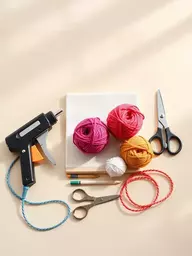
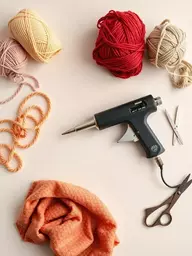
Everything you need: tufting gun, frame, trimmer, 42 yarn rolls, and cloth included.
Frame Included42 Yarn Rolls
May 27
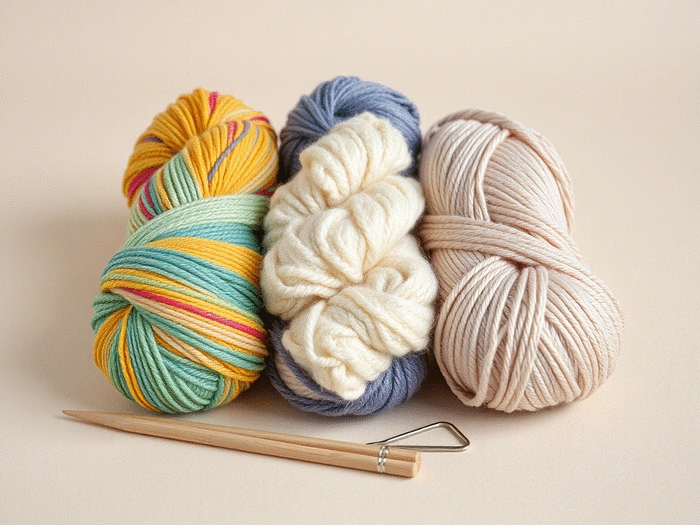
When selecting the perfect yarn for your crafting projects, understanding the unique characteristics of each fiber can significantly impact the results. Whether you’re creating stunning wall hangings or durable floor rugs, the right choice matters. Here's what you need to know to make an informed decision.
Finding the right yarn can transform your crafting experience, whether you’re making wall hangings or durable rugs. Below, I’ve outlined the specific user types who will benefit most from the unique characteristics of acrylic, cotton, and wool-blend yarns. Each option offers something valuable based on your specific project needs and crafting goals.
If you're looking to create beautiful decorative pieces without spending a fortune, Red Heart Super Saver is your go-to choice. This affordable acrylic yarn allows for large projects while keeping costs low.
For those who prioritize a refined look and structure in their projects, Lion Brand 24/7 Cotton offers superior stitch clarity and shape retention, making it perfect for polished decorative items.
If durability and longevity are vital for your rug projects, invest in Lion Brand Wool-Ease. This wool-blend yarn excels in high-traffic areas, ensuring your creations withstand the test of time.
New to crafting? Acrylic yarn is forgiving and easy to work with, making it an ideal starting point for those learning new techniques. You'll gain confidence while creating beautiful projects.
For seasoned artisans aiming for the best finish in their work, the durability and elegance of wool-blends can elevate your projects to new heights, combining both beauty and functionality.
This comparison highlights three popular yarn options each serving different crafting needs, allowing buyers to see how they stack against each other based on key features and performance.
| Acrylic | Cotton | Wool-Blend |
| Low | Medium | High |
| Medium | High | Medium |
| ✓ | ✓ | ✗ |
| ✓ | ✓ | ✗ |
| Budget | Polished | Durability |
Choosing the right yarn for your crafting projects can feel daunting, especially when you're torn between acrylic, wool, and cotton. Each fiber has unique characteristics that cater to different demands, particularly when it comes to creating wall hangings versus floor rugs. The best yarn for your project often boils down to several factors, including durability, shape, texture, and, of course, budget.
When it comes to wall decor, the focus is usually on aesthetics—how the yarn catches the light, its texture, and how well it can hold a defined stitch. In contrast, floor rugs require a different set of criteria. They need to withstand heavy foot traffic, resist wear and tear, and maintain their shape over time. This makes the choice of yarn crucial for achieving the desired results based on your specific project needs.
Ultimately, the right yarn depends on how you plan to use it. Are you looking for something affordable for a seasonal project? Or do you need a more durable option that will stand the test of time? By understanding the strengths of each fiber, you can make an informed decision that aligns with your crafting goals.
Let’s dive into the specific requirements of wall hangings versus rugs. Wall hangings prioritize:
On the other hand, floor rugs necessitate:
To help you navigate the world of yarn, I’ve compared three standout products that offer varying benefits:
Each of these yarns serves a unique purpose in your crafting toolkit, depending on whether you're looking for budget-friendly options or durable solutions.
When deciding between yarn types, buyers often have several burning questions:
As someone who has tested these yarns for various projects, I can say that each offers its own advantages and challenges. Understanding these factors can guide you to make the best choice for your unique crafting needs.
Now that we've explored the characteristics of each fiber, let’s see how they stack up against one another for their intended uses. It's essential to choose the right yarn based on whether you're creating a stunning wall decor piece or a durable floor rug that will see plenty of action.
We've broken down the pros and cons of acrylic, cotton, and wool-blend yarns for different projects. Now we want to hear from you!
Which fiber do you typically reach for when starting a new wall hanging or rug project, and why?
Your experience helps other crafters make informed decisions!For wall hangings, prioritize visual texture, vibrant colors, and defined stitches. Acrylic yarns like Red Heart Super Saver are excellent for budget-conscious projects, offering a wide color range. Cotton yarns such as Lion Brand 24/7 Cotton provide superior stitch clarity for a polished look.
For high-traffic rugs, durability and resilience are key. Wool-blend yarns like Lion Brand Wool-Ease are highly recommended as they withstand foot traffic and resist wear and tear better than acrylic or cotton, offering long-term value.
Yes, acrylic yarn is often considered beginner-friendly due to its forgiving nature and ease of use. It's affordable and available in a vast array of colors, making it ideal for learning new techniques without significant investment.
Acrylic offers affordability and wide color options but lacks the durability and luxury feel of wool blends. Cotton provides good structure and stitch definition but may not withstand heavy wear as well as wool blends. Wool blends offer superior durability and a premium finish but come at a higher price point.
For projects requiring high durability, such as rugs, investing in a wool-blend yarn like Lion Brand Wool-Ease can save money over time. Its enhanced resilience reduces the need for frequent replacements or repairs, making it a cost-effective choice for high-wear areas despite a higher initial price.
Lion Brand 24/7 Cotton offers superior stitch clarity and shape retention compared to many acrylic options. This makes it ideal for projects where a refined, crisp look is desired, providing a more polished finish for decorative items.
While acrylic yarn can be used for rugs, it is generally less durable than wool blends and may not hold up well under heavy foot traffic. It's better suited for decorative rugs or areas with very low traffic where its affordability and color variety are prioritized over longevity.
Consider the project's purpose (wall hanging vs. rug), desired aesthetic (visual texture, stitch clarity), required durability, budget, and your crafting skill level. Each yarn type excels in different areas, so aligning your choice with your project's specific needs is crucial.
When it comes to crafting beautiful home decor, understanding the value of each yarn type is essential. Balancing price, performance, and long-term durability can make a significant difference in your crafting experience and the overall quality of your finished pieces. Let's break down what each option brings to the table, helping you decide whether to save upfront costs or invest for the future.
Red Heart Super Saver stands out as a stellar choice for budget-conscious crafters looking to create larger decorative pieces without breaking the bank. Here’s why it’s worth considering:
Lion Brand 24/7 Cotton offers a balance between price and performance, making it a versatile choice for those who want a refined look without going overboard in spending. Here’s what makes it appealing:
If durability is a top priority for your rug projects, Lion Brand Wool-Ease is worth the investment. Here's why this wool-blend option can be a game-changer:
Understanding the trade-offs involved can help you make an informed decision. Here’s a quick comparison of what you gain or lose with each fiber type:
To help narrow down your options, consider what factor matters most to you. Here’s a quick guide to choosing based on your priorities:
In my experience as a tufting expert, I can confidently say that each yarn serves its purpose beautifully. If you’re looking for an affordable starter project, go with Acrylic. For more polished decorative pieces, Cotton is your friend. But if you’re crafting a rug that needs to stand the test of time, I recommend investing in Wool-Ease. Whatever you choose, trust your instincts and remember that the best yarn is the one that fits your particular project needs!
All-in-One Beginner Bundle
By BESGEER
Everything you need: tufting gun, frame, trimmer, 42 yarn rolls, and cloth included.
Go Wireless with 2x Batteries
By BESGEER
Cordless freedom with two 4.0Ah batteries for 4-5 hours of uninterrupted tufting.
I'm Cassandra Flint, a **passionate DIY enthusiast** and *tufting expert* dedicated to helping you dive into the world of rug making. I share detailed tutorials, honest product reviews, and *curated recommendations* to help you **confidently create stunning home decor**. My goal is to empower you with the knowledge and tools you need to _transform yarn into art_ and **avoid common pitfalls**.
Essential techniques and creative beginner projects
By SIMJI
Learn tufting gun basics, finishing tips, and playful rug projects.