
BESGEER Tufting Gun + Trimmer
Complete Rug Making Duo
By BESGEER
2-in-1 tufting gun bundled with carpet carving clippers for a professional finish.
Includes Trimmer360° Handle
Jul 22
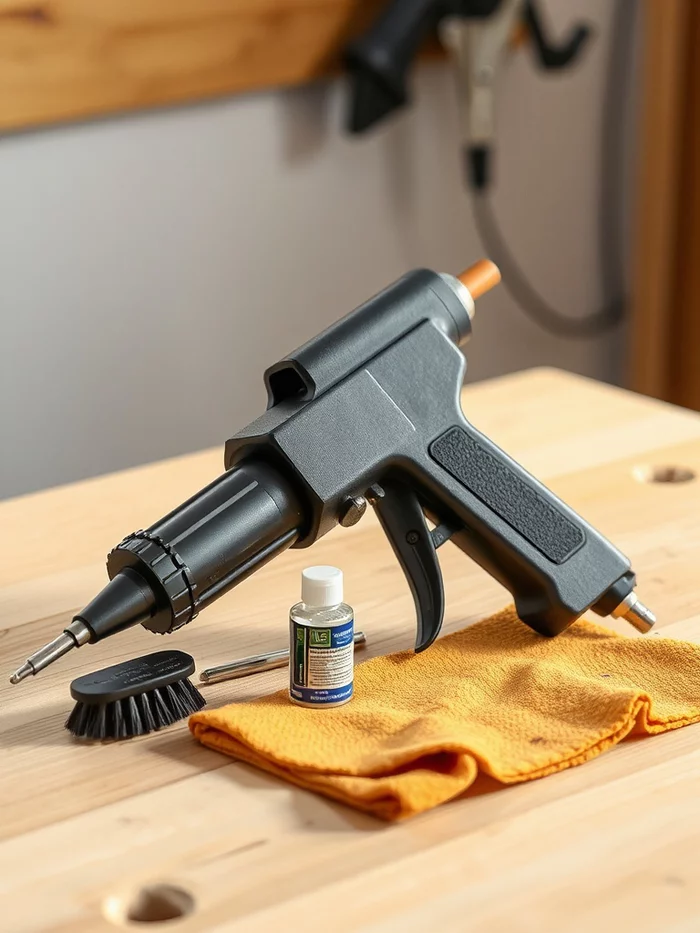
Choosing the right lubricant for your tufting gun isn't just about convenience; it's pivotal for its performance and longevity. With the right oil, you can enhance your crafting experience while avoiding costly repairs. Let’s delve into the essential insights that can guide your purchase decision.
If you're ready to keep your tufting gun performing at its best, understanding who can benefit most from Singer All-Purpose Machine Oil is crucial. Below are the specific user types and situations where this lubricant shines.
Ideal for those just starting their tufting journey, Singer All-Purpose Machine Oil provides a reliable and straightforward lubrication experience without complications.
Perfect for daily tufting enthusiasts, this oil ensures smooth operation, reducing wear and tear on your gun so you can keep creating without interruptions.
For those looking to maximize their crafting budget, Singer All-Purpose Machine Oil offers high-quality performance at an affordable price, ensuring your tools last longer.
If you love experimenting with different tufting techniques, this oil provides the reliability and compatibility you need to keep your machine running efficiently.
Even if you only tuft occasionally, Singer All-Purpose Machine Oil is a great choice to keep your gun in optimal condition, ready for your next creative project.
This comparison table evaluates three popular lubricants for tufting guns, helping you decide which oil best fits your maintenance needs and crafting style.
When it comes to maintaining your tufting gun, the right lubricant can make all the difference. Choosing the appropriate oil not only ensures smooth operation but also helps prevent heat build-up, reduces friction, and minimizes noise. From my experience as a tufting expert at Tufting Kit Pro, I can attest that many users overlook this key aspect, often facing burning smells, sticky build-up, and premature parts failure due to poor lubrication choices. Understanding the nuances of different oils can help you achieve long-lasting performance and a more enjoyable tufting experience.
Regular lubrication is essential to avoiding common maintenance headaches that can disrupt your crafting flow. By keeping your tufting gun well-oiled, you effectively combat issues like friction, dust buildup, and stiffness. Here are some critical benefits of regular oiling:
The maintenance rhythm can vary based on how often you use your tufting gun, but consistent oiling is crucial. From my observations, a few common practices can help you keep your machine running at its best:
From my extensive testing at Tufting Kit Pro, I've observed that the biggest mistake new tufters make is neglecting consistent lubrication. While different oils have their place, the *method* of application is equally crucial. Always apply a small amount to the needle bar, moving parts, and any friction points, then run the gun briefly without yarn to distribute the oil evenly. This simple step ensures the lubricant penetrates effectively and prevents sticky residue from building up, which can be more damaging than lack of oil over time. Don't just oil; oil smart!
Regular lubrication is crucial for preventing metal-on-metal wear, reducing friction, and minimizing noise. It extends the life of internal components, ensures smoother and quieter operation, and significantly lowers the risk of residue-related clogging, which can otherwise lead to premature parts failure and burning smells.
The frequency of oiling depends on your usage. Heavy users who operate their tufting gun daily should oil it before each session. For lighter or occasional users, a weekly or monthly maintenance schedule is generally sufficient. Always refer to your specific tufting gun model's manufacturer guidelines for the most accurate recommendations.
Singer All-Purpose Machine Oil is highly recommended for routine tufting gun maintenance. Its light, clear formula is specifically designed for sewing machines, ensuring optimal compatibility with tufting gun mechanisms, reliable performance, and minimal residue buildup for long-term care.
3-IN-ONE Multi-Purpose Oil can serve as a convenient backup or for casual use due to its wide availability. However, it may not offer the same level of performance and cleanliness as dedicated sewing machine oils like Singer. Be aware that it may lead to more residue buildup, potentially requiring more frequent cleaning.
WD-40 Specialist Dry PTFE Lubricant is a specialized alternative best suited for applications where minimal residue and compatibility with plastic components are critical. It's ideal for tufting guns with mixed-material mechanisms, but it is generally not recommended as a primary lubricant for routine maintenance.
Using the wrong type of oil can lead to several problems, including increased friction, excessive residue buildup, sticky mechanisms, burning smells, and premature wear or damage to internal parts. Incompatible oils can also attract more dust and lint, leading to clogging and operational issues.
After applying a small amount of oil to the needle bar, moving parts, and friction points, it's essential to run the tufting gun briefly without yarn. This simple step helps distribute the lubricant effectively throughout the mechanism, ensuring it penetrates properly and prevents localized buildup.
Yes, focus on the needle bar, any visible gears, piston, linkage, and other moving parts that experience friction during operation. Consult your tufting gun's manual for a detailed diagram and specific lubrication points to ensure comprehensive care.
Choosing the right lubricant for your tufting gun is crucial for ensuring smooth operation and long-term performance. In this section, we will compare three popular options: Singer All-Purpose Machine Oil, 3-IN-ONE Multi-Purpose Oil, and WD-40 Specialist Dry PTFE. Each product has its unique features, benefits, and potential drawbacks, making it essential for you to find the right fit for your needs. Let's break down each option to help you make an informed decision.
Singer All-Purpose Machine Oil is often regarded as the gold standard for tufting gun maintenance due to its specialized formula designed for sewing machines. Here’s why it stands out:
As a tufting enthusiast, I can confidently say that this oil provides a predictable and effective lubrication experience that is tough to beat. If you’re looking for the safest option to keep your gun running optimally, Singer All-Purpose Machine Oil is hard to go wrong with.
3-IN-ONE Multi-Purpose Oil is a popular choice among DIY enthusiasts for its accessibility and versatility. However, there are some factors to consider:
As someone who has tested this oil in various applications, I find it works well for general maintenance but may not provide the same level of performance and cleanliness as Singer’s oil. If you’re a casual user or need a quick fix, it’s worth considering, but be wary of potential residue build-up.
The WD-40 Specialist Dry PTFE Lubricant offers a unique solution for those who prioritize minimal residue and compatibility with plastic parts. Here’s what to know:
While I appreciate its effective lubrication without the mess, I’d recommend WD-40 Dry PTFE primarily for users with specific needs related to plastic components. It’s not the best choice for regular applications but can be beneficial in certain situations.
When it comes to selecting the right lubricant for your tufting gun, consider the following factors:
In my experience, if you’re serious about tufting, investing in Singer All-Purpose Machine Oil is the best route. It not only ensures safe and effective maintenance but also helps extend the life of your tufting gun. On the other hand, if you're an occasional user or want a multi-purpose option, 3-IN-ONE can be a decent backup. Ultimately, prioritize your tufting gun's needs and your own maintenance style for the best results.
Complete Rug Making Duo
By BESGEER
2-in-1 tufting gun bundled with carpet carving clippers for a professional finish.
All-in-One Beginner Bundle
By BESGEER
Everything you need: tufting gun, frame, trimmer, 42 yarn rolls, and cloth included.
I'm Cassandra Flint, a **passionate DIY enthusiast** and *tufting expert* dedicated to helping you dive into the world of rug making. I share detailed tutorials, honest product reviews, and *curated recommendations* to help you **confidently create stunning home decor**. My goal is to empower you with the knowledge and tools you need to _transform yarn into art_ and **avoid common pitfalls**.
Essential techniques and creative beginner projects
By SIMJI
Learn tufting gun basics, finishing tips, and playful rug projects.