Why Consistency Matters
- ✓ Aesthetic Appeal
- ✓ Enhanced Durability
- ✓ Technique Versatility
May 17
Have you ever put hours into a DIY project, only to find that the stitches are uneven? The difference between a gorgeous finished piece and a disappointing one often comes down to the consistency of your stitching. Let’s explore how mastering this skill can elevate your craft!
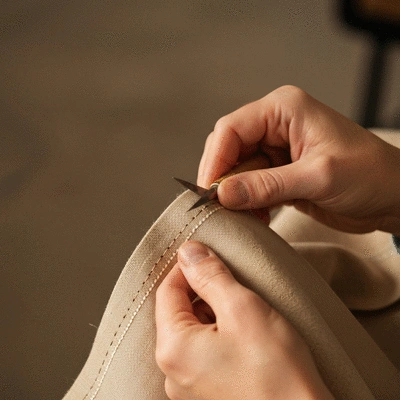
Achieving consistent stitches is fundamental in hand stitching projects, ensuring both aesthetic appeal and durability. This visual outlines key aspects and techniques to master stitch consistency. For those just starting, understanding tufting kits basics can provide a solid foundation for all your future projects.
As a DIY enthusiast and tufting expert, I've seen firsthand how the consistency of stitches can make or break a project. Whether you're crafting your first rug or diving into a detailed embroidery piece, achieving neat, even stitches is crucial. Consistency not only enhances the overall look of your work but also contributes to its durability and longevity.
Let’s dive deeper into why consistency matters in your projects. It’s not just about aesthetics; it’s about ensuring that your creation withstands the test of time!
When you're stitching, the way you space your stitches can significantly impact the final product. Uneven stitches can lead to a lopsided appearance or even structural weaknesses in your work. Here are some key reasons why consistency is essential:
By focusing on these aspects, you’ll find that your projects not only look better but also provide you with a sense of accomplishment!
Imagine completing a beautiful rug only to realize the stitches are uneven! This can be disheartening, especially after putting in so much effort. Consistent stitches contribute significantly to the aesthetic appeal of your work. They create a uniform look that draws the eye and showcases your skill. On the durability front, consistent stitch spacing can help prevent fraying and unraveling, allowing you to enjoy your creation for years to come.
As you start your tufting journey with Tufting Kit Pro, keep in mind that the effort you put into mastering stitch consistency will pay off in the quality of your finished pieces. Setting up your workspace effectively, as detailed in our pre-tufting workspace setup guide, is a great first step.
Even stitch spacing is beneficial across different stitching techniques, whether you’re whip stitching, blanket stitching, or doing precision topstitching. Here are a few techniques that particularly benefit from consistent stitches:
By practicing even stitch spacing, you’ll gain confidence in your abilities and produce pieces that truly reflect your creativity!
Now that we’ve established the importance of consistent stitches, let’s explore some techniques to help you achieve that coveted even spacing. Setting up your workspace correctly can make a world of difference!
Before you even pick up your needle, take a moment to prepare your workspace. A well-organized area can greatly enhance your focus and efficiency. Here are a few tips to set yourself up for success:
With the right setup, you’ll be well on your way to stitching like a pro!
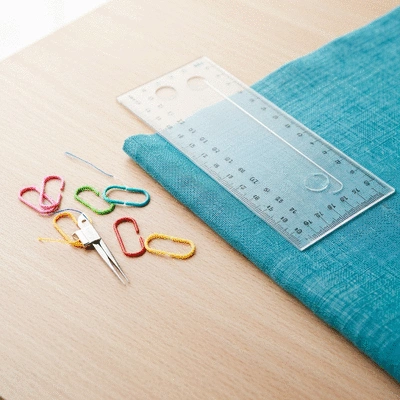
Using rulers and guides can be your best friends when it comes to achieving even stitch spacing. A simple ruler can help you measure out distances for each stitch, while guides can keep your stitches aligned. I often use washi tape or chalk to mark my fabrics lightly—this helps ensure that I stay on track without damaging the material.
Have you tried using a grid pattern for your stitching? It can be a game changer for maintaining consistency!
Another effective method is to mark your fabric using disappearing ink. This temporary ink allows you to outline where your stitches should go without leaving a permanent mark. It's easy to follow and ensures that you maintain uniformity throughout your project. Just remember to test it on a scrap piece of fabric first!
As you learn to mark your fabric effectively, you’ll find that your confidence grows, paving the way for more complex projects.
To enhance your stitch consistency, consider using a stitching gauge. This handy tool helps maintain even spacing between stitches, allowing you to focus more on creativity and less on measurement. With practice, you'll find that the gauge becomes an invaluable part of your crafting toolkit!
As you embark on your journey of mastering hand stitching, you may find yourself with a flurry of questions about how to achieve that coveted stitch consistency. I've been there, and it’s perfectly normal to seek guidance! So, let’s tackle some of the most common inquiries I receive from fellow DIY enthusiasts about keeping those stitches just right.
Maintaining evenly spaced stitches can feel a bit daunting, but with the right techniques, you can achieve precision! One effective method is to use a ruler or a fabric guide as a reference to measure your stitch distance. Additionally, creating a rhythm in your stitching motion can foster consistency. Practice makes perfect! Try using the same finger position for each stitch to keep your spacing uniform.
Consistency is key, so don’t hesitate to do a few test stitches before working on your main project!
Understanding yarn slack is crucial for achieving a polished look in your projects. Too much slack can lead to loose stitches, while too little can result in tight, uneven ones. Generally, a small amount of slack—just enough to allow the yarn to move without strain—is ideal. Experimentation with different fabrics can help you find the right balance!
Finding the right slack is all about feeling comfortable with your material—don't rush the process!
The needle you choose can have a significant impact on your stitching consistency. Selecting the right size needle not only affects how easily the thread passes through the fabric but also influences the stitch appearance itself. Generally, a needle that matches the weight of your yarn will yield the best results. Trust me, it’s worth the extra thought!
Finding the right fit can make a world of difference, so don’t hesitate to test out a few options!
Even the best of us can face the challenge of uneven stitches from time to time. If you find that you’ve strayed from your desired length, don’t panic! A simple trick is to adjust your tension as you stitch, or you might need to re-stitch certain areas. It’s all part of the learning curve!
Remember, every stitch is a step towards improvement—embracing those learning moments is part of the fun!
Gauge is essential in achieving consistency across your projects. It essentially refers to the number of stitches per inch and can drastically affect how your finished piece looks and feels. Getting your gauge right ensures that your stitches will not only be even but also that your project will turn out as you envisioned. Take the time to check your gauge!
Remember, knowing your gauge can save time and frustration down the line!
Stitch markers can be a game-changer for anyone looking to maintain even spacing. They serve as visual cues, helping you keep track of where each stitch should go. Whether you're working on a new rug design or a simple embroidery piece, they can provide the precision you need!
By incorporating stitch markers into your process, you can reinforce consistent spacing while also enhancing your overall stitching experience!
A1: Consistent stitching is crucial for both the aesthetic appeal and durability of your projects. It ensures a professional, uniform look and enhances the strength and longevity of your creation, preventing issues like fraying or structural weaknesses.
A2: Tools like rulers, fabric guides, and stitching gauges are excellent for precise measurements. Disappearing ink can also be used to mark your fabric temporarily, guiding your stitches without leaving permanent marks.
A3: Optimal yarn slack prevents stitches from being too loose or too tight, contributing to a polished look. Matching your needle size to the weight of your yarn ensures smooth passage through the fabric and influences the overall appearance and consistency of your stitches.
A4: If your stitches are uneven, you can adjust your tension as you stitch, or carefully re-stitch problem areas using a seam ripper if necessary. Practicing on scrap fabric and setting a consistent rhythm can help improve your muscle memory for better consistency.
A5: Gauge refers to the number of stitches per inch. It's important because it drastically affects the final look and feel of your project. Checking your gauge before starting ensures that your project will turn out as envisioned and helps maintain overall consistency.
Now that we’ve addressed some common questions, let’s recap the key techniques we've discussed for achieving consistent stitches. Remember, success in hand stitching comes from a mix of practice, the right tools, and a little experimentation. Keep these tips in mind!
To ensure you’re setting yourself up for success:
By following these steps, you’ll find yourself crafting with more confidence and precision!
Don't shy away from trying new techniques! The more you practice, the better you will become. Try different yarn types, stitch methods, or even fabric types to see how they affect your stitching. For aspiring tufters, exploring tufting gun kits for beginners can open up new possibilities and help refine your consistency skills.
Mastering the art of consistent stitching is a rewarding journey! Every project offers a chance to learn and grow. At Tufting Kit Pro, we believe in your potential as a creator, and I can’t wait to see what you achieve. Happy stitching!
Here is a quick recap of the important points discussed in the article:
Complete Rug Making Duo
By BESGEER
2-in-1 tufting gun bundled with carpet carving clippers for a professional finish.
Go Wireless with 2x Batteries
By BESGEER
Cordless freedom with two 4.0Ah batteries for 4-5 hours of uninterrupted tufting.
I'm Cassandra Flint, a **passionate DIY enthusiast** and *tufting expert* dedicated to helping you dive into the world of rug making. I share detailed tutorials, honest product reviews, and *curated recommendations* to help you **confidently create stunning home decor**. My goal is to empower you with the knowledge and tools you need to _transform yarn into art_ and **avoid common pitfalls**.
Essential techniques and creative beginner projects
By SIMJI
Learn tufting gun basics, finishing tips, and playful rug projects.