Choosing Your Punch Needle
- • Regular: Versatile
- • Fine Tip: Detail work
- • Adjustable: Beginner-friendly
May 08
Are you ready to embark on a creative adventure with punch needle crafting? This enriching experience not only enhances your artistic skills but also brings a sense of accomplishment with every project you complete. Let’s dive into the essential takeaways that will elevate your punch needle journey!
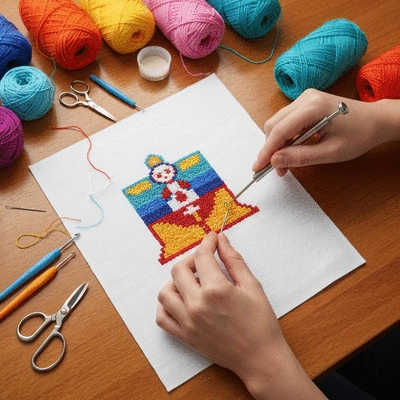
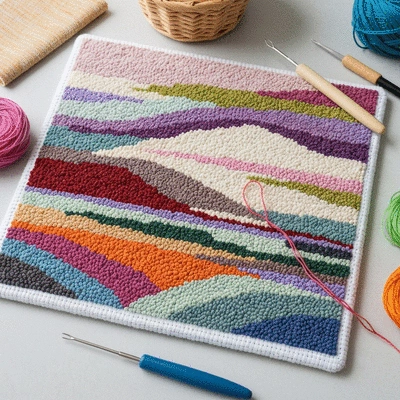
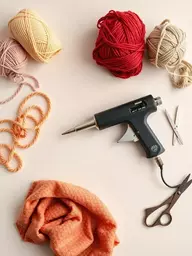
This visual guide outlines the essential tools and steps for a successful punch needle project, from selecting your needle to setting up your workspace and connecting with the crafting community. To truly master the craft, understanding these fundamentals is key, much like learning the basics of understanding punch needle tufting.
Are you ready to embark on your punch needle journey? It’s a fantastic way to express your creativity, and I'm excited to guide you through the essentials! First, let’s talk about the tools you'll need to get started. Having the right gear can make all the difference in your crafting experience!
As a beginner, selecting the right punch needle might feel overwhelming. But don’t worry—I’ve got you covered! The most common types for newbies are:
When you choose a needle, consider the thickness of the yarn you plan to use. A good starting point is an adjustable needle, which can help you experiment without the commitment! Remember, the right choice makes the process more enjoyable.
Next up, let’s dive into the fabrics! Monk's cloth is a popular choice for punch needle work because of its durability and easily visible grid pattern. But there are other options to consider:
Each fabric has its unique characteristics, so experiment with what feels best for you. I often recommend starting with monk's cloth as it allows for easier control and less friction when punching. Your choice will shape your projects, so choose wisely!
Creating a comfortable workspace is crucial for a successful punch needle experience. A well-organized area can spark creativity and keep you engaged. Here are some tips for setting up your space:
Take time to personalize your space! Whether it’s adding a cozy blanket or a fun mug for your favorite drink, little touches can make your crafting time even more enjoyable. Trust me, a good setup can make all the difference in staying motivated! For more detailed guidance, consider checking out our pre-tufting workspace setup guide.
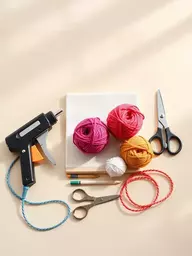
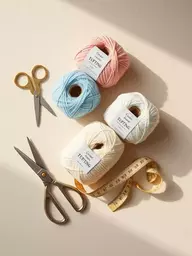
Finally, let’s not forget the additional sewing tools that can enhance your punch needle projects. Here’s what I recommend keeping on hand:
Having these tools readily available will streamline your crafting process. I can’t tell you how many times I’ve been saved by having sharp scissors or a yarn needle handy! It’s these little things that keep your projects flowing smoothly.
Did you know? When starting with punch needle, always test your yarn and fabric combination on a small swatch first. This practice not only helps you gauge how the yarn interacts with the fabric but also allows you to fine-tune your technique before committing to a larger project!
Congratulations on embarking on your punch needle journey! It's been quite a ride, hasn’t it? Reflecting on the progress you’ve made so far can be incredibly rewarding. Every stitch you’ve worked has contributed to your growth as a crafter. Let’s take a moment to recap some key takeaways from this experience and explore what’s next on your crafting path!
As you look back at your punch needle projects, consider these essential points:
Each of these takeaways not only highlights your hard work but also sets a strong foundation for your future projects. I can’t wait to see where your newfound skills take you! Remember, even the most experienced crafters started where you are now.
Ready to keep the momentum going? Here are some fantastic resources to help you expand your skills and fuel your creativity:
These resources not only enhance your skills but also keep your passion for punch needle alive and thriving. Don’t hesitate to explore new styles and techniques—you might just discover your next favorite project!
One of the most fulfilling aspects of your crafting journey is connecting with others who share your passion. Being part of a community can provide inspiration, support, and camaraderie. Let’s dive into how you can engage with fellow crafters!
Online communities are a treasure trove of inspiration and advice. Here are some platforms where you can connect with other punch needle enthusiasts:
Don’t be shy—sharing your experiences can help others on their journey too! Plus, you’ll gain valuable insights from crafters who’ve faced similar challenges.
Your experiences are valuable! Consider sharing your unique tips and techniques with the community. Here are some ideas to get you started:
By sharing, you not only reinforce your own knowledge but also inspire others to take the leap into punch needle crafting!
Lastly, don’t forget to explore broader sewing communities. Engaging with a diverse group can enrich your punch needle journey:
As you delve into these communities, remember that crafting is as much about the journey as it is about the outcome. Embrace every moment, learn from others, and don’t hesitate to share your own story. Happy crafting! For those starting out, a beginner's guide to punch needle can be incredibly helpful.
Here is a quick recap of the important points discussed in the article:
Pro Rug Making with LED Light
By Cozytuft
120W brushless motor with adjustable speed for smooth, quiet rug creation.
Digital Speed Control Display
By zowwfast
Non-slip grip with digital screen for precise speed control and safer tufting.
I'm Cassandra Flint, a **passionate DIY enthusiast** and *tufting expert* dedicated to helping you dive into the world of rug making. I share detailed tutorials, honest product reviews, and *curated recommendations* to help you **confidently create stunning home decor**. My goal is to empower you with the knowledge and tools you need to _transform yarn into art_ and **avoid common pitfalls**.
Step-by-step guide to handmade textile bliss
By Gatlin Ares
A quick handbook for raised-pile textile techniques and rug ideas.